
"A heat exchanger is only as reliable as its core elements. By understanding the distinct material behaviors and manufacturing methods of industrial finned tubes, engineering teams can completely eliminate the risk of premature field failures."
Modern fertilizer production and petrochemical refining loops operate under some of the most grueling conditions in industrial engineering. Systems are constantly subjected to extreme temperatures, volatile thermal cycles, and highly aggressive fluids. Protecting plant uptime in these environments requires highly reliable thermal systems built for heavy-duty use.
When analyzing a Finned Tube Heat Exchanger configuration, engineers must look beyond basic catalogs. They must evaluate how specific component geometries respond to intense chemical and physical stresses over time. This guide breaks down the core operational trade-offs, helping you make informed procurement decisions for high-stakes process loops.
Today's operations heads need comprehensive partners who contribute deep engineering expertise, rigorous quality systems, and complete thermal solutions. Evolving beyond basic component supply allows modern facilities to eliminate premature mechanical degradation and rapid efficiency loss. Proper design choices ensure that your equipment handles heavy loads safely.
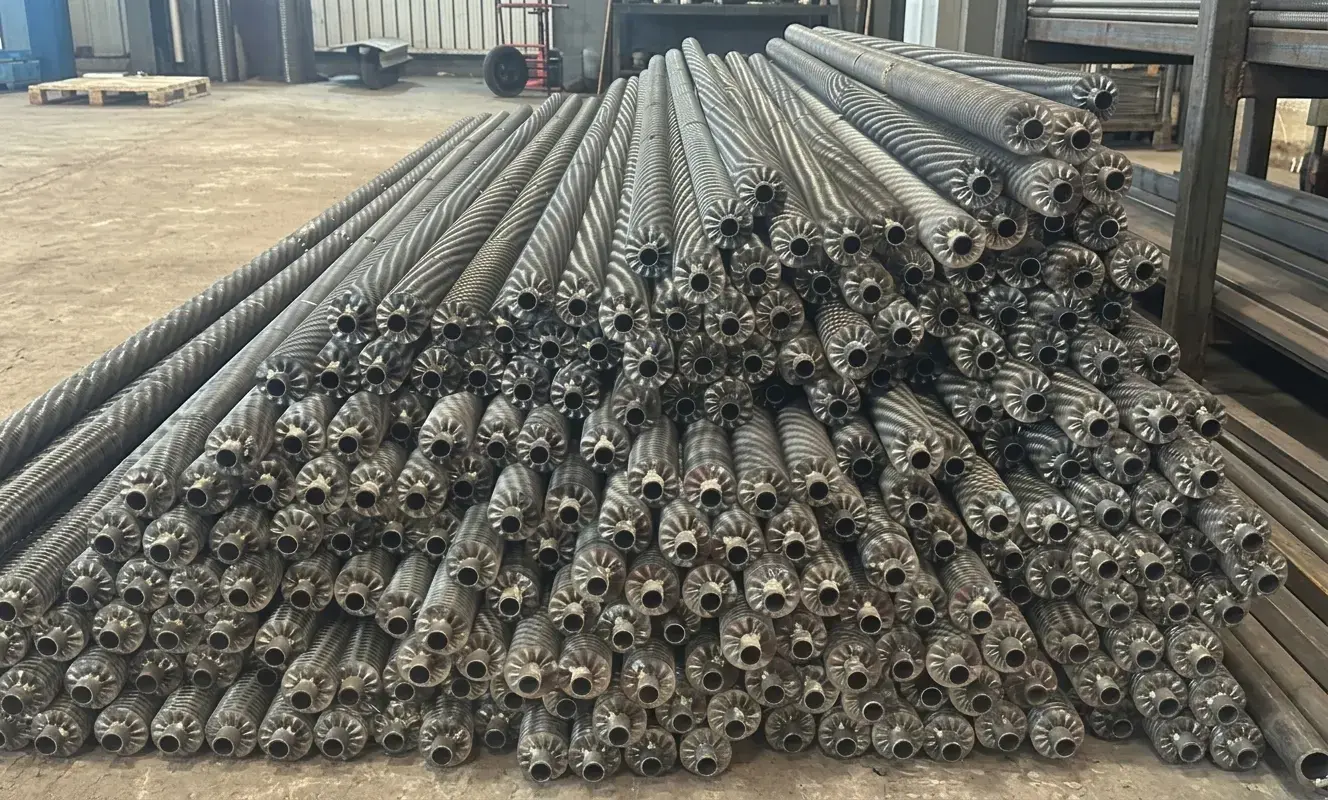
Frequent and rapid thermal cycling creates severe mechanical stress across raw tube profiles and assembled joints. Without precise stress-relieved manufacturing, this stress triggers premature joint cracking, structural leaks, and catastrophic pressure drops. These failures halt production, costing facilities thousands of dollars in unscheduled downtime.
Environmental fouling and chemical corrosion also act as silent profit killers in downstream operations. Hydrocarbon streams and chemical processing agents cause rapid material degradation if the base metallurgy is not expertly specified. When standard components degrade, the overall heat transfer coefficient plummets, forcing boilers and fired heaters to work harder.
To combat these hurdles, process equipment must deliver maximum heat transfer rates within a highly compact footprint. Achieving this balance requires optimizing external surface areas through advanced component geometries. Proper design choices ensure that the equipment can handle heavy loads without succumbing to early wear.
When evaluating a fin and tube heat exchanger for heavy industrial processing, engineers often compare performance benchmarks. While these systems offer unmatched thermal efficiency, they come with distinct design trade-offs. Understanding these parameters is essential before initiating an engineering RFQ.
Below is a technical breakdown outlining the practical advantages and disadvantages of utilizing finned tube geometries within demanding chemical environments:
| Pros (Advantages) | Cons (Disadvantages) |
|---|---|
| More Surface Area: Fins multiply the cooling area up to 20x, allowing for a much smaller equipment footprint. | Fouling Risks: Tight spacing can trap dust and dirt in high-emission environments, blocking airflow. |
| Better Flow Dynamics: Fin shapes create turbulence, which speeds up the overall heat transfer rate. | Pressure Drops: Higher resistance to airflow means your system may require larger, high-power fans. |
| Smart Material Choices: You can combine different metals (like stainless steel tubes with aluminum fins) to save costs and stop corrosion. | Loosening Issues: Lower-quality mechanical fins can loosen under intense heat cycles, creating gaps that stop heat flow. |
| Phase-Change Excellence: Exceptional at managing gas-to-liquid transfers, making them ideal for heavy steam condensing and ammonia loops. | Fluid Restrictions: Highly inefficient for pure liquid-to-liquid applications where bare or plain tubes perform better. |
| High Structural Strength: Advanced welded or extruded bimetallic designs offer extreme resistance to high-pressure steam service. | Complex Maintenance: Cleaning dense fin gaps requires specialized methods (low-pressure washes or air blow-offs) over manual brushing. |
| Lower Footprint Weight: Because fewer tubes are needed to achieve the same thermal load, the overall dry weight of the system drops. | Higher Capital Expense (CAPEX): The intricate manufacturing, specialized fin-to-tube bonding, and extra materials create higher upfront costs. |
Many traditional disadvantages, like bonding degradation under high pressures, are actually limitations of outdated manufacturing styles. For instance, common tension-wrapped fins can develop microscopic air gaps during intense thermal cycling. These air gaps act as thermal insulators, drastically reducing the system's performance over time.
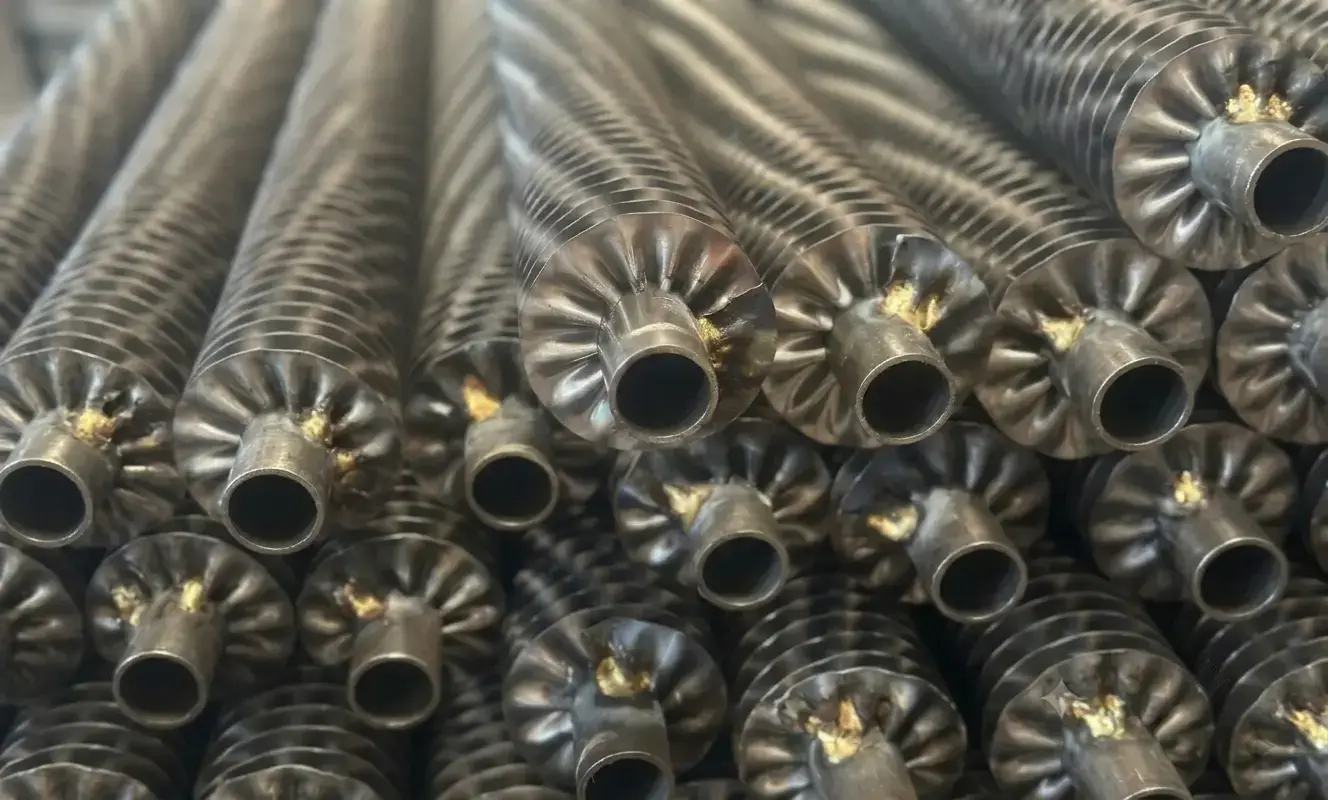
To solve this problem, modern process plants deploy advanced extruded finned tubes specifications. In an extruded configuration, the outer fin material is mechanically bonded to the base tube using specialized plastic deformation. This creates an exceptionally strong, durable structure with excellent heat transfer performance and high corrosion resistance.
For the most extreme high-pressure operations, integral finning provides the ultimate solution. With these capabilities, the fins are formed directly from the base tube material itself, providing exceptional thermal conductivity, minimal thermal resistance, and enhanced operational reliability. This design completely eliminates the risk of fin separation.
Meeting these intense process conditions requires advanced manufacturing technologies and dedicated R&D. HEFT Engineers addresses these needs by expanding in-house capabilities with advanced Longitudinal, Extruded, and Integral finning machinery. This allows the production of highly durable components tailored to harsh environments.
These advanced fin configurations allow engineers to perfectly match equipment geometry to a plant's specific fluid dynamics. Whether an application requires high-temperature resistance or strict corrosion protection, custom engineering ensures lasting reliability. This approach supports critical operations across fertilizers, petrochemicals, and power generation.
Furthermore, total reliability is backed by complete quality control systems embedded at every production stage. From initial raw material selection to rigorous final inspections, every unit is built for operational longevity. This rigorous approach protects industrial systems from unexpected field failures and thermal losses.
| Fin Type | Max Temperature | Best Used For | Key Engineering Advantage |
|---|---|---|---|
| Extruded Fin | Up to 290°C | Air coolers, steam condensate systems, power plants, and chemical refining facilities. | Bi-metallic protection: An aluminum outer sleeve is compressed over a base tube (SS, CS, copper) to block all atmospheric corrosion. |
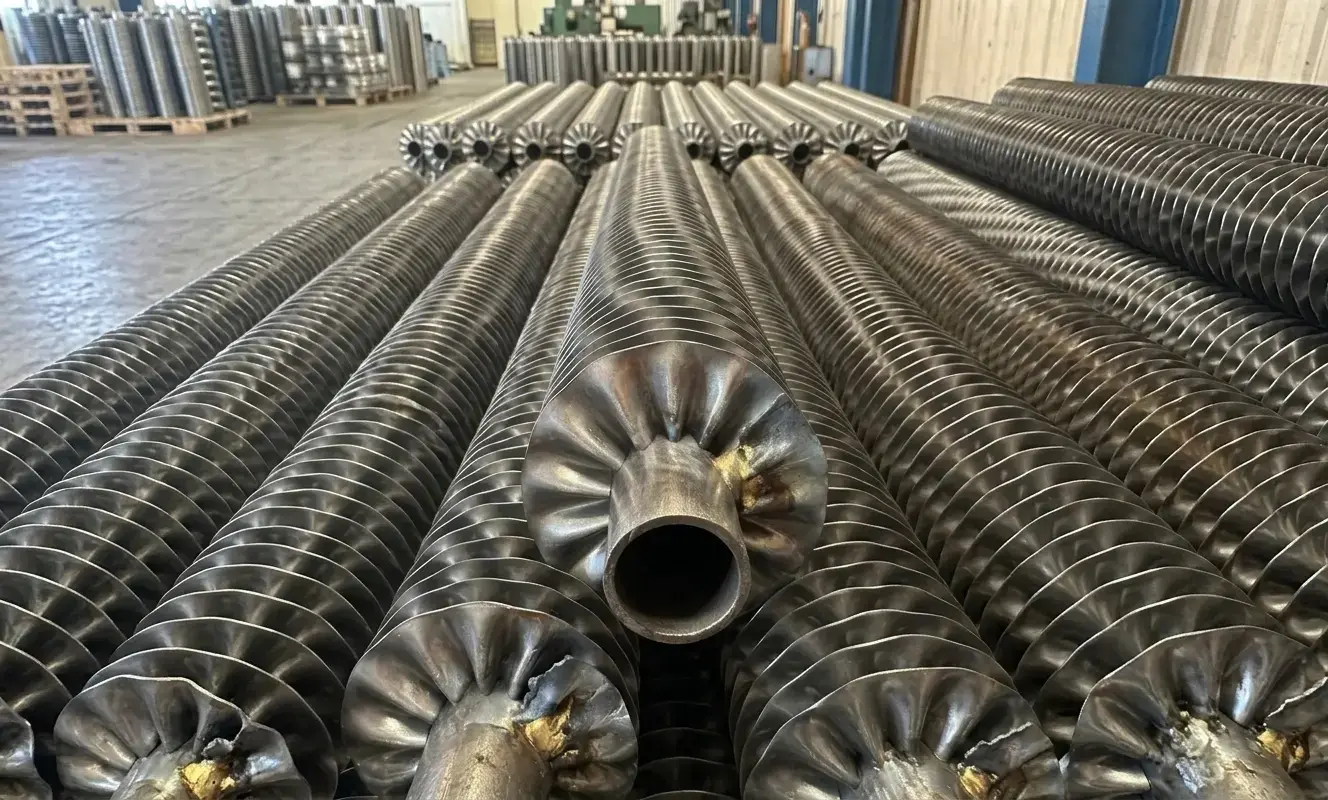
| Integral Low Fin | Up to 415°C | High-density shell and tube systems and compact oil coolers. Available in straight or U-bend shapes. | Monolithic bond: Fins are rolled directly out of the base tube wall itself, ensuring zero thermal resistance over time. |
| Longitudinal Fin | 415°C to 600°C+ | Heavy radiators, vertical shell and tube systems, and heavy viscous fluid lines. | High-temp durability: U-channels are resistance-welded along the tube length, providing 8 to 12 times the surface area of bare tubes. |
Sourcing high-pressure thermal equipment for international projects demands strict adherence to global safety codes like ASME and TEMA. HEFT Engineers bridges this gap by manufacturing systems in complete alignment with major international quality baselines. The facility holds an ISO 9001:2015 certification certified by TUV and undergoes strict Indian Boiler Regulations (IBR) protocols.
To ensure absolute confidence during site commissioning, HEFT's systems undergo verification by world-renowned third-party inspection bodies. These certified agencies review mechanical drawings, material traceabilities, and non-destructive testing logs before final export. The approved list includes:
Choosing an experienced Finned Tube Heat Exchangers Manufacturers ensures that complex thermal calculations transfer smoothly into durable field assets. Working alongside a certified manufacturer guarantees that raw component precision matches high operational demands. It also eliminates critical alignment issues between individual tubes and larger structural frames.
Partnering with a vetted vendor guarantees that fully compliant material test certificates (MTCs) and complex international logistics are managed without project delays. As a registered member of EEPC India with complete MSME approval, HEFT ensures smooth customs navigation for shipments worldwide. This secure supply chain allows global companies to execute large-scale maintenance turnarounds right on schedule.
For specialized requirements, working with leading Extruded finned tubes manufacturers ensures that bimetallic components handle mechanical stress and atmospheric wear. This engineering protection is vital for equipment exposed to marine, coastal, or highly humid environments. Precision manufacturing prevents unexpected leaks in hazardous fluid loops, protecting both plant personnel and long-term production yields.
In petrochemical refining, cooling heavy hydrocarbon gases requires equipment that balances high thermal duty with safe pressure boundaries. Standard plain tubes often fall short, requiring massive, costly shell shells to achieve the necessary cooling performance. Implementing specialized finned configurations solves this footprint challenge.
By utilizing advanced bimetallic extruded finned tubes efficiency, refineries can shrink their equipment footprint while increasing heat recovery. The continuous metallurgical bond allows heat to move quickly out of hot process streams. This rapid transfer lowers overall fuel consumption and helps plants meet strict environmental goals.
Furthermore, choosing the correct fin pitch prevents the costly fouling issues that generic articles often highlight. Sourcing from premium Finned Tube Heat Exchangers Manufacturers in india gives operators access to advanced computational fluid dynamics (CFD) modeling. This modeling identifies the exact geometries needed to sustain high fluid velocities and clean running cycles.
Optimizing your heat transfer loops is a direct investment in reducing fuel consumption, lowering operating costs, and cutting carbon emissions. Efficient engineering extends equipment life cycles and directly protects long-term refinery profitability. Choosing the correct components helps industrial facilities achieve higher process reliability.
As industrial standards move toward greener, more reliable operations, choosing an integrated engineering partner makes all the difference. HEFT Engineers remains dedicated to solving critical thermal challenges through precision, modern innovation, and manufacturing performance. Evolving beyond component supply allows us to deliver complete, reliable heat transfer solutions globally.
Need a custom process cooling system or a high-pressure waste heat recovery unit engineered for a harsh chemical environment? Connect directly with our strategy and design team to optimize your project lifecycle from initial concept development straight through to final field execution.
Director – Business Development & Strategy, HEFT Engineers Pvt. Ltd
Contact Number: +91 9769063942
Follow HEFT: HEFT Engineers on Instagram →